
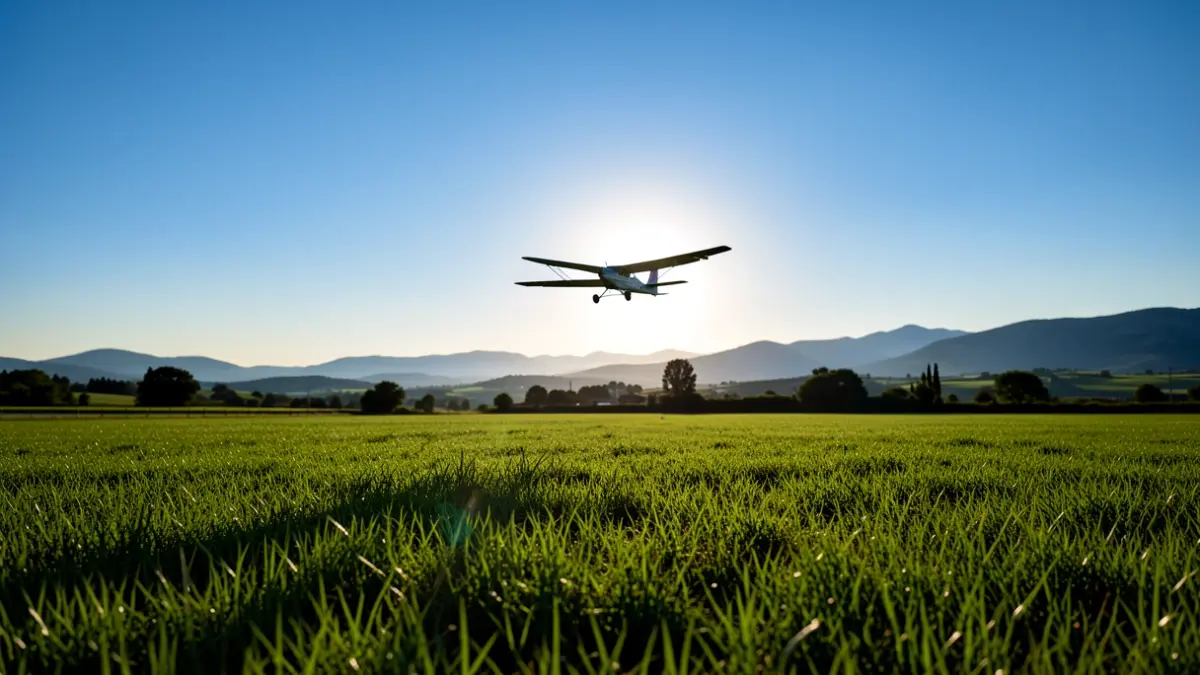
Glider flight, though silent, leaves a lasting impression on the officer cadets of the Air and Space Academy. This training phase, within the Gliding Flight Instruction Squadron (EIVV), is for many their first time in the air. It's a discovery of new flight sensations, but also a first practical application of theoretical knowledge and the strict requirements of piloting. The instructor plays a vital role in this learning process.
Once airborne, theory takes on a new dimension. Landmarks change, sensations intensify, and the first decisions are made in a dynamic environment. Each flight offers the cadet an opportunity to gain precision and autonomy. The instructor, meanwhile, observes progress, corrects errors, and imparts essential reflexes. Gradually, the new becomes familiar, fostering confidence that coexists with the rigor and humility, fundamental values of piloting.
Beyond a mere first aviation experience, gliding flight at the EIVV lays the foundation for a flying culture that will accompany future officers throughout their careers. This includes understanding their environment, mastering their actions, respecting procedures, and the ability to decide, act, and react.
Each first takeoff symbolizes a cadet's learning, an instructor's transmission, and the foundations of an emerging aeronautical vocation.