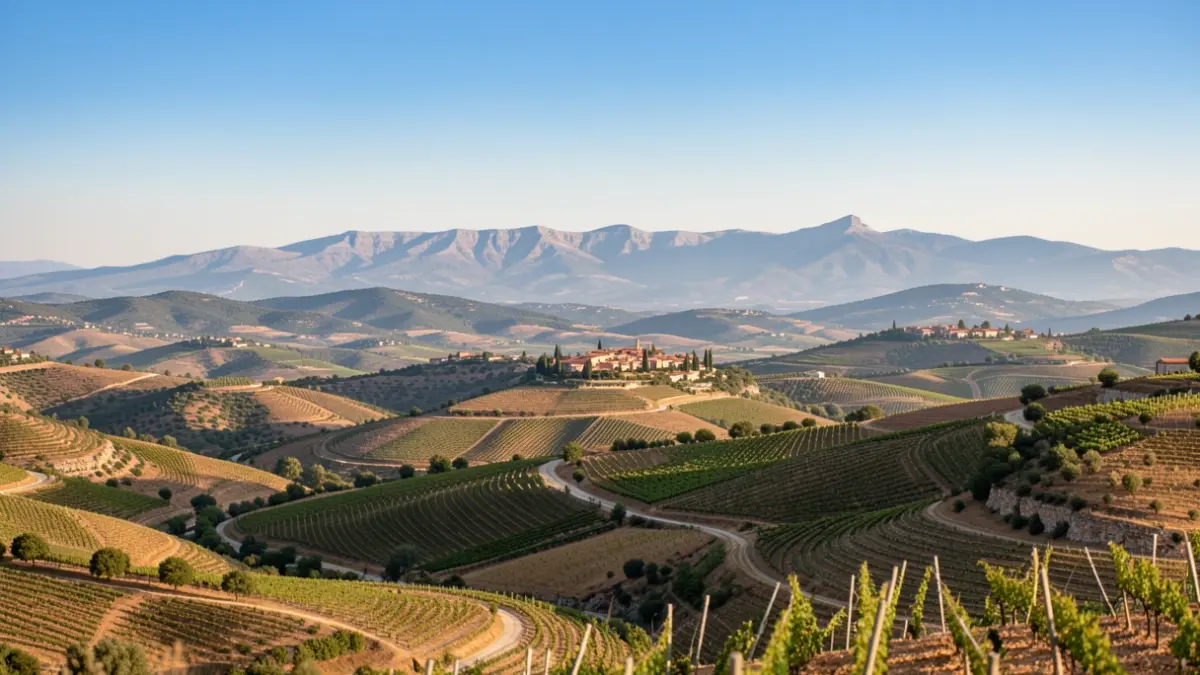
The question of balancing tourism attractiveness, residents' quality of life, and territorial preservation was central to the discussions. Tourism represents a major economic weight for the CoVe, generating 5.7 million overnight stays and 1 million euros in tourist tax revenue in 2026. This activity supports numerous local jobs in hospitality, restaurants, shops, and tourist sites.
Despite stable accommodation occupancy rates, visitor spending on dining and leisure activities is declining, with tourists staying in the area but consuming less during their holidays due to constrained purchasing power. In response to these changes, elected officials have initiated a collective reflection on the future directions of the CoVe's tourism policy.
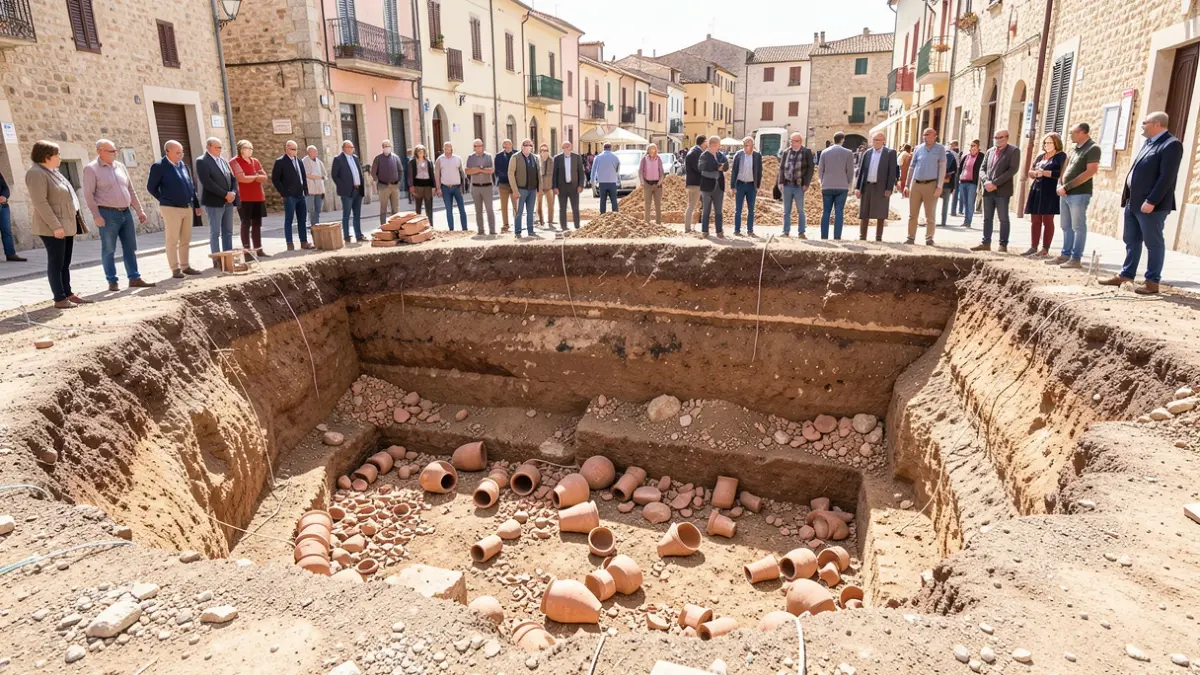
Several issues were addressed, including adaptation to climatic and health hazards, management of tourist flows, enhancement of local heritage, and the development of more sustainable tourism. The goal is to better anticipate the consequences of climate change, manage site attendance without restricting access, bring the territory's heritage to life, and encourage slow tourism.
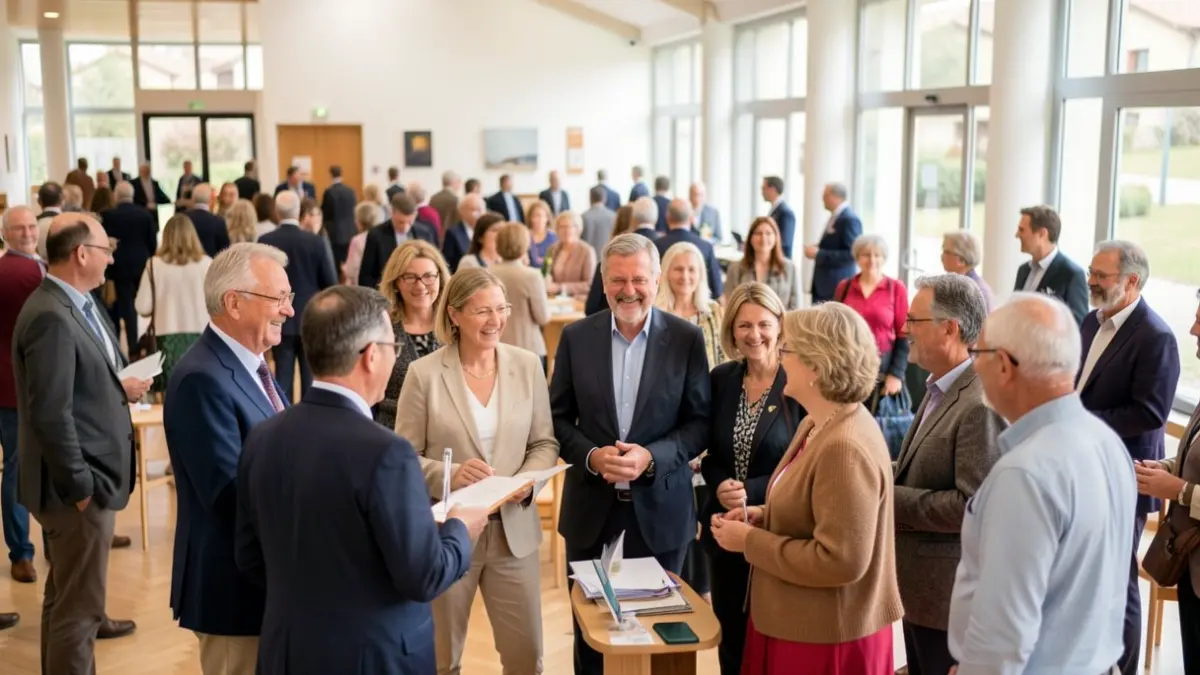
This seminar marks a first step in developing a renewed tourism strategy. Future discussions will aim to define precise objectives and an operational roadmap, involving tourism professionals and local stakeholders. The challenge is significant: to continue making tourism an economic driver for the territory while preserving its identity, resources, and residents' living environment.