Mayor of Toulon, Josée Massi, has reviewed the first six months of her mandate, structured around three key themes: security, community proximity, and mobility. Twenty priorities were established in her electoral program.
In terms of security, the municipal police have intensified their presence, particularly in the Pont-du-Las and Saint-Jean-du-Var neighborhoods. Between April and September, 519 patrols were conducted in Pont-du-Las and 249 in Saint-Jean-du-Var, resulting in over 350 fines and about thirty joint operations with the National Police. The municipal police force has grown from 142 to 152 officers. The city is also coordinating outreach efforts for homeless individuals and requesting more emergency shelter spaces from the state.
A municipal decree will soon regulate the circulation of motorized personal transport devices (EDPMs) – including electric scooters – in the pedestrian zone of the city center to protect pedestrians. The use of electric scooters will be prohibited for those under 14 and must occur on bike lanes, not sidewalks or the port. Helmets and reflective vests will be mandatory, and violations will be directly fined.
Regarding community engagement, the Forum of Associations was highly successful, bringing together nearly 400 organizations and 13,000 visitors. Since October, healthcare professionals have benefited from a preferential parking rate of €1 per day. The city is working to standardize parking fee structures to make them more understandable and support downtown businesses. The 'Quartiers en Liberté' initiative continues, with plans for a two-year artist residency in Pont-du-Las starting in 2027.
Citizen consultation has been highlighted through the establishment of new sector councils, which will include 50 randomly selected representatives starting in late September and will be equipped with a participatory budget. Regarding the future of Faron, a consultation gathered input from approximately 3,200 respondents, largely in favor of preserving the site and implementing nature-friendly developments. A consultation phase with all stakeholders will precede an action plan by March 2027. The city also proposes transforming the big cat breeding center into an educational farm due to noted safety deficiencies.
The Mayol stadium will remain Toulon's stadium, with no plans for a massive investment in a new venue. A study is underway to explore renovation and modernization scenarios, including the possibility of multi-use facilities. Improvement works, such as sound systems, lighting, and a hybrid pitch, have been completed or are planned, with an annual investment of €1 to €2 million.
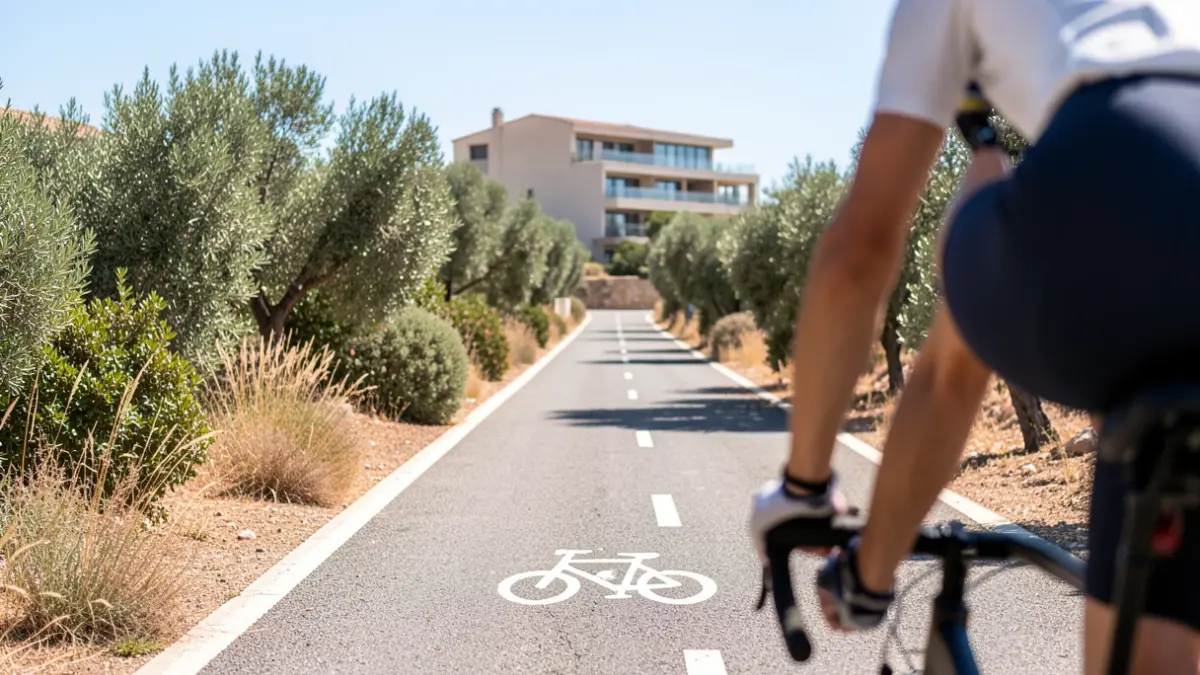
The bidirectional cycle lane on Avenue de la République is now permanent following a successful trial period. Adjustments are planned to connect it to the Corderie. Usage has increased by 56% on weekdays and 98% on weekends, indicating Toulon residents' interest in this new infrastructure.
With an 87% completion rate, Josée Massi's team presents a positive review. Upcoming months will focus on developing dedicated public transport, constructing the Judicial City, continuing the 'freshness plan' in schools, and launching the 'Toulon & vous' application.