
In response to a 30% increase in operating costs over 10 years and no tariff adjustments during the same period, the Métropole is introducing solidarity tariffs based on the family quotient. This system will offer reductions from 20% to 80% for the most modest households.
Young people, students receiving the Complémentaire santé solidaire (CSS) without financial contribution, non-taxable seniors, and people with disabilities receiving the Allocation adulte handicapé (AAH) will benefit from a particularly advantageous tariff of €20. Children under 11 will receive a free pass.
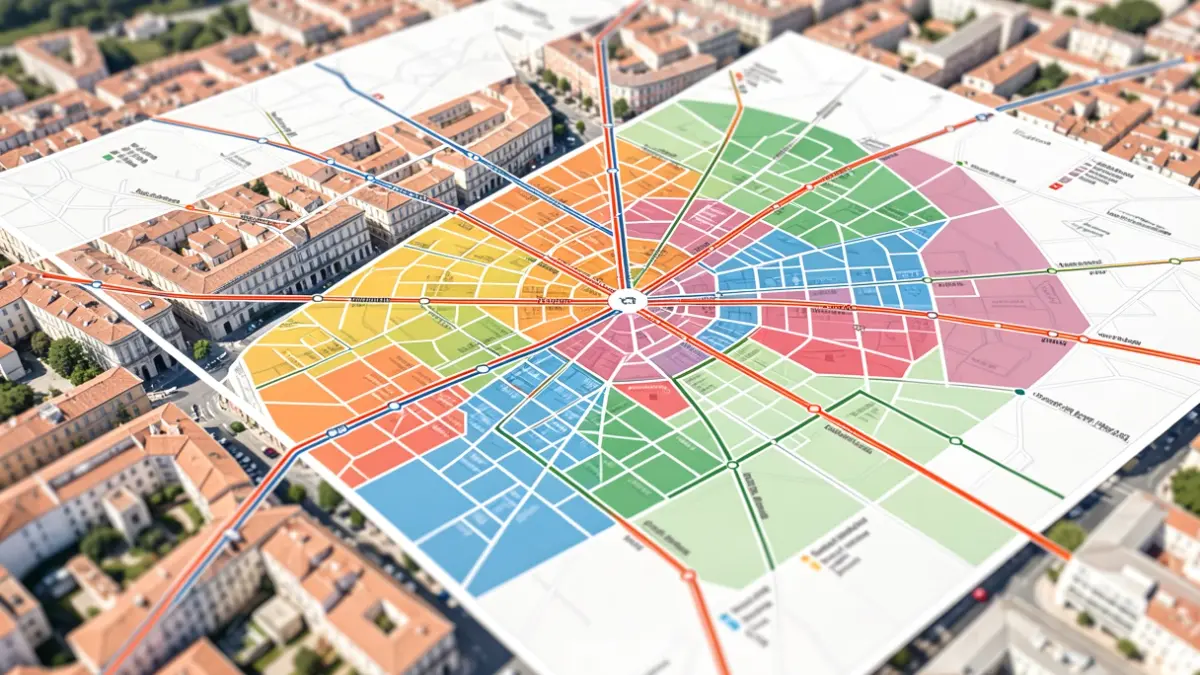
The reform also aims to harmonize tariffs based on transport service levels across different zones of the metropolis, divided into three distinct fare zones: Zone 1 (metropolitan core), Zone 2 (hubs like Aix-en-Provence, Aubagne), and Zone 3 (local networks like Salon-de-Provence or La Ciotat). The goal is to eliminate historical territorial disparities and ensure equity.
This tariff overhaul addresses growing financial needs, particularly for investments planned in the Marseille en grand plan. It is expected to generate an additional net annual revenue of an estimated €21.6 million in the long term, phased in over three years (1.9 M€ in 2026, 19.7 M€ in 2027, and the full amount by 2028).
The new tariff system is based on equity and equal treatment, ensuring access to public transport for all. For example, a scholarship student from Aubagne studying in Aix-en-Provence will see their annual pass cost drop from €210-€360 to €20. A scholarship student in Marseille will pay €20/year instead of €110/year. A single mother with 3 children earning minimum wage in Marseille will see her pass cost decrease from €480 to €274.
Key figures for mobility in Aix-Marseille-Provence include 644 transport lines, 2,285 vehicles, 200 million validations annually, and 75 million km traveled. 86% of the population is served within 300m of a bus stop and 500m of other stops.