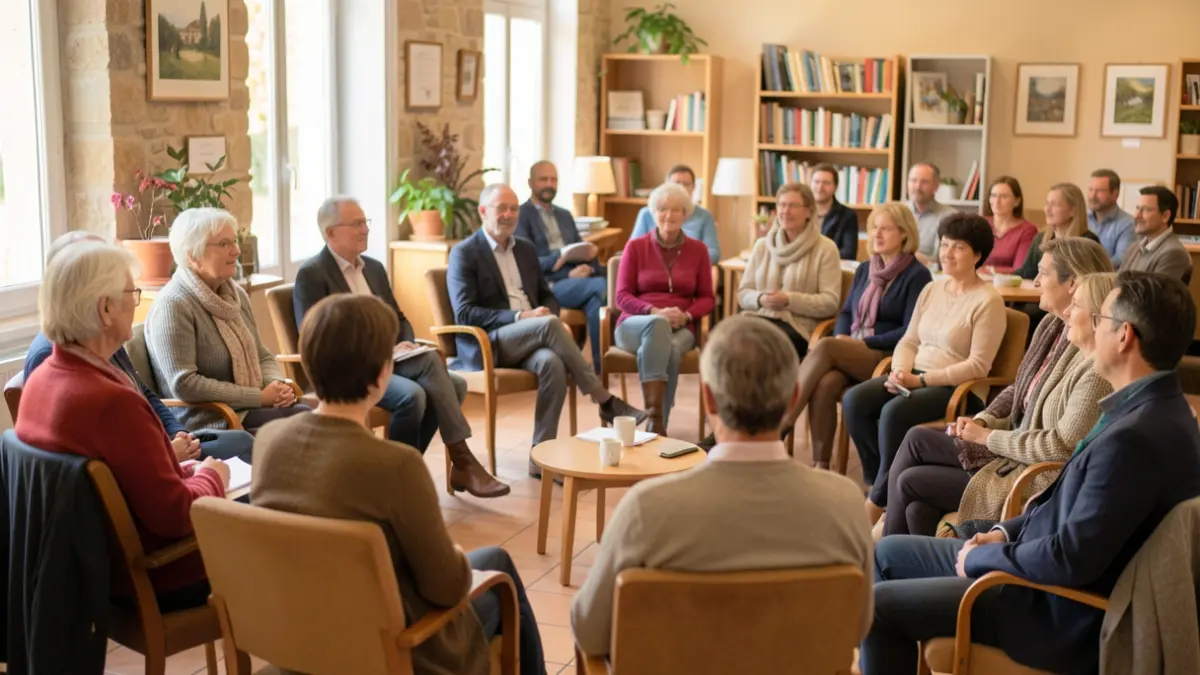
This regional initiative unfolded in two complementary phases. The first involved 86 individual interviews with a representative panel of stakeholders across Alpes-Maritimes (18), Bouches-du-Rhône (21), Var (16), Vaucluse (24), and 7 pooled regional actors. The second phase facilitated the co-construction of proposals through four departmental workshops, bringing together state services, local authorities, economic actors, associations, and technical organizations.
The discussions confirmed stakeholders' commitment to the PPA framework, viewing it as a useful tool for structuring territorial dialogue on air quality, a clear structure for role distribution, supported by the recognized expertise of AtmoSud, and incorporating steering committees (COPIL) deemed necessary.
However, several points of concern were raised: a sometimes overly top-down functioning, with COPIL perceived by some as primarily informative rather than decision-making; an insufficiently utilized intermediate space between COPIL meetings, creating an impression of intermittent operation; and a call for more collaborative and operational bodies for genuine co-construction beyond formal sessions. The need to better highlight the concrete added value of PPA actions was also emphasized.
The study also highlights the necessity of better integrating PPAs with other territorial public policies (mobility, PCAET, urban planning, health-environment) and improving monitoring and evaluation methods. Current indicators are considered too declarative, with a need for more readable tools that aid decision-making, better valorization of health benefits, and greater inclusion of territories outside major metropolitan areas in plan development.
Several avenues for evolution were collectively identified for the future, structured around three main axes: roles and animation (onboarding for new participants, thematic/territorial working groups between COPILs, identification of thematic referents, localized communication), COPIL functioning (dedicated preparatory sessions, allowing stakeholders to request agenda items, refocusing the body on steering, arbitration, and orientation validation), and articulation and monitoring-evaluation (shared dashboard, co-construction of indicators, clearer links between PPAs and other territorial planning documents).
The new operational modalities resulting from this co-construction process will be gradually implemented starting in the autumn.