Five canteens in the region are being supported in evolving their practices towards more sustainable food, as part of the "What good eating means" project, funded by the DRAAF. After the presentation of the diagnostics carried out last May, the study and animation firm FRAMHEIM continues its support with a dual objective: to reduce food waste and improve compliance with the EGAlim law's requirements.
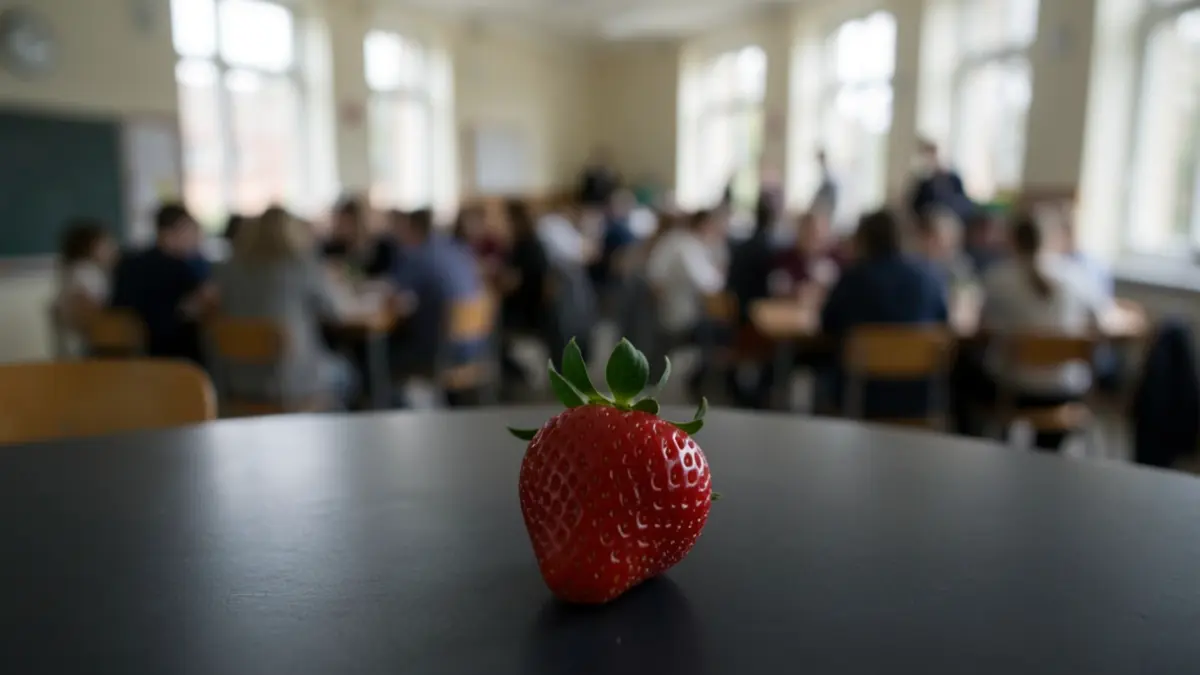
At the Sault middle school, FRAMHEIM offered a one-hour workshop to all classes to make them reflect on the concept of food waste. Students were first invited to consider what the notion of food waste covers, through concrete examples such as an expired yogurt pot or a banana peel.
To illustrate the journey of food before it reaches our plates, students discovered a video retracing the path of a strawberry: planted, picked, packaged, transported, bought, and then finally thrown away. A concrete way to become aware of all the steps and resources mobilized to produce food.
Based on the figures and videos presented, students were able to react, exchange, and collectively reflect on initiatives and best practices to limit food waste, both in the canteen and at home.